

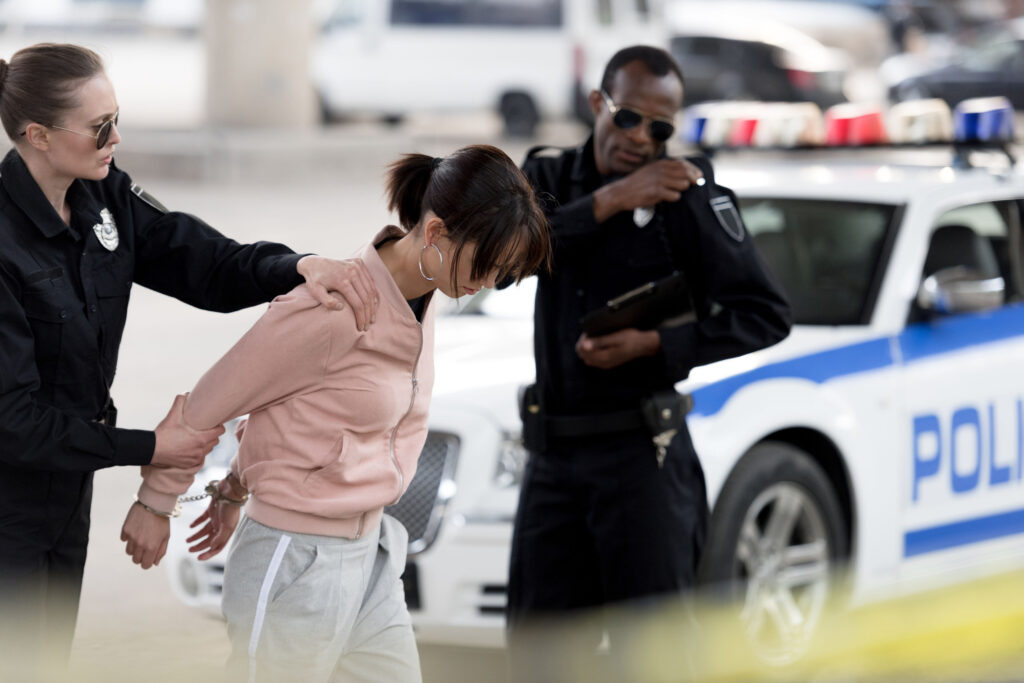
Being charged with contributing to the delinquency of a minor in Oklahoma is a serious criminal matter that can carry long-term consequences affecting employment, professional licensing, education, reputation, and even future family court proceedings. These allegations often arise from situations involving teenagers, parties, school incidents, alcohol or drug accusations, social media communications, or allegations that an adult encouraged unlawful behavior by a minor.
To see this article as a video, click here.
What Is Contributing to the Delinquency of a Minor?
Under Oklahoma law, a person may be charged with contributing to the delinquency of a minor if prosecutors allege the person caused, encouraged, permitted, or contributed to behavior that would make a child delinquent or involved in unlawful conduct.
These allegations may involve accusations that an adult:
- Supplied alcohol or drugs to minors;
- Encouraged criminal activity;
- Allowed unlawful conduct to occur;
- Assisted a juvenile in violating the law;
- Failed to prevent certain misconduct.
The specific facts of the case often determine how aggressively prosecutors pursue the charges.
The Prosecution Must Prove Every Element Beyond a Reasonable Doubt
As in all criminal prosecutions, the State bears the burden of proving every required legal element beyond a reasonable doubt.
Depending on the allegations, prosecutors generally attempt to prove:
- The accused engaged in certain conduct;
- A minor was involved;
- The conduct contributed to delinquent or unlawful behavior.
A major part of many defenses involves challenging whether the evidence actually establishes those required elements under Oklahoma law.
Lack of Knowledge or Intent Can Be a Strong Defense
One of the most common defenses is a lack of intent or knowledge regarding the alleged conduct.
In many cases, the accused may not have known:
- The individual was underage;
- Illegal conduct was occurring;
- Alcohol or drugs were present;
- The juvenile intended to commit unlawful acts.
For example, allegations frequently arise after parties or social gatherings where prosecutors claim an adult knowingly permitted illegal activity involving minors. The defense may argue the accused had no knowledge of the alleged conduct or did not authorize or encourage it.
Because intent often exists only in a person’s state of mind, prosecutors frequently rely on circumstantial evidence, which can sometimes be challenged or interpreted differently.
The Conduct May Not Legally Qualify Under the Statute
Another important defense is that the alleged conduct does not constitute contributing to the delinquency of a minor under Oklahoma law.
Poor judgment or mere association with a juvenile is not always enough to establish criminal liability. Prosecutors must still prove that the accused’s conduct actually contributed to unlawful or delinquent behavior as defined by the statute.
In some situations, the connection between the accused’s actions and the juvenile’s alleged misconduct may be weak, speculative, or unsupported by sufficient evidence.
Witness Credibility Often Becomes Critical
Many contributing to the delinquency cases rely heavily on witness statements rather than physical evidence.
In some situations:
- Juveniles may shift blame to avoid punishment;
- Witnesses may exaggerate events;
- Statements may conflict;
- Investigators may make assumptions about what occurred.
Defense attorneys often closely examine inconsistencies in witness testimony, motivations for making allegations, and whether the accusations are supported by objective evidence.
Because juries often must decide whom to believe, credibility can become one of the most important issues in the case.
Constitutional Defenses May Apply
Defense attorneys also frequently examine whether law enforcement violated constitutional protections during the investigation.
Potential legal issues may involve:
- Unlawful searches;
- Improper interrogations;
- Miranda violations;
- Illegal seizure of phones or electronic devices;
- Improperly obtained statements.
If evidence was obtained unlawfully, portions of the prosecution’s case may potentially be challenged or excluded.
Social Media and Electronic Evidence Are Common
Modern contributing to the delinquency investigations often involve social media posts, text messages, videos, photographs, and electronic communications.
Prosecutors may attempt to use electronic evidence to establish:
- Knowledge of the juvenile’s conduct;
- Invitations to parties or gatherings;
- Alleged encouragement of illegal activity;
- Communications involving alcohol or drugs.
Defense attorneys frequently examine whether the electronic evidence is authentic, complete, or taken out of context.
These Cases Often Overlap With Other Charges
Contributing to the delinquency allegations often accompany other criminal accusations.
Depending on the facts, prosecutors may also file charges involving:
- Furnishing alcohol to minors;
- Drug offenses;
- Harboring runaway children;
- Sexual misconduct allegations;
- Child neglect allegations;
- Disorderly conduct or assault.
The existence of additional charges can substantially increase the seriousness and complexity of the case.
A Conviction Can Have Lasting Consequences
A conviction may result in jail time, probation, fines, counseling requirements, community service, and a permanent criminal record.
Beyond the direct criminal penalties, these allegations may also affect:
- Employment opportunities;
- Professional licenses;
- Educational opportunities;
- Child custody disputes;
- Reputation within the community.
Even before trial, allegations involving minors can create significant reputational and emotional consequences.
Kania’s Tulsa Criminal Defense Attorneys Can Help
Many individuals make the mistake of attempting to explain the situation to law enforcement before consulting an attorney. Statements made during investigations may later be misunderstood, mischaracterized, or used against the accused in court. We work with clients to evaluate the evidence, investigate the circumstances, protect constitutional rights, and develop defense strategies tailored to the specific facts of the case. If you are facing charges, contact the Tulsa criminal defense lawyers at Kania Law Office by calling us at (918)–743-2233 or ask a question online.



Tulsa's Local Criminal Defense Lawyers
 Are you looking for Tulsa attorneys who will fight aggressively for you? Our team of criminal defense attorneys have the experience needed in Oklahoma law to secure the outcome you deserve.
Call us today for a free consultation 918-743-2233 or contact us online.