

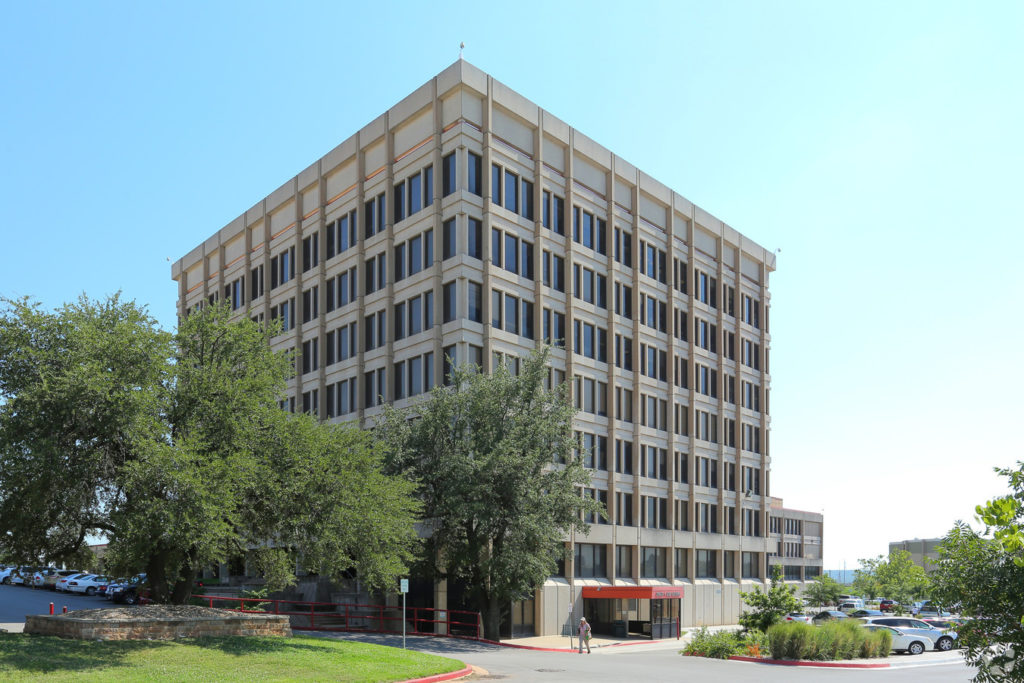
Commercial Encroachment disputes can arise when a neighboring business, developer, or commercial property owner builds or places improvements across a property boundary. These disputes may involve buildings, parking lots, retaining walls, fences, drainage systems, utilities, signs, landscaping, or other improvements that extend onto property owned by someone else. In Oklahoma, even a relatively small encroachment can create significant legal and financial problems, particularly when valuable commercial real estate is involved.
Property owners facing a Commercial Encroachment should take the issue seriously. Allowing an encroachment to remain unresolved can interfere with the use, sale, financing, or future development of the property. Depending on the circumstances, Oklahoma law may provide several remedies for determining the correct boundary and requiring the neighboring owner to address the encroachment.
What Is Commercial Encroachment in Oklahoma?
Commercial Encroachment generally occurs when an improvement associated with one commercial property physically extends beyond its legal boundary and onto neighboring property without permission or a legal right to do so. The encroachment may be intentional, but many disputes result from construction mistakes, inaccurate assumptions about boundary lines, old surveys, or misunderstandings concerning easements.
For example, a developer may construct a parking area several feet across the boundary line. A neighboring business might install a retaining wall or drainage system that crosses onto another owner’s land. A building addition, loading area, dumpster enclosure, fence, or commercial sign could also create an encroachment.
The first question is generally not who has historically used the disputed area. Instead, the parties must determine who legally owns the property and where the actual boundary is located.
Determining the Property Boundary
A Commercial Encroachment case often begins with the legal description contained in the deeds and other instruments affecting the properties. A professional land survey may then be necessary to locate that legal description on the ground.
Property owners should avoid relying exclusively on existing fences, landscaping, pavement, utility poles, or assumptions about where the property line has traditionally been located. Physical improvements do not necessarily establish the legal boundary.
In a serious dispute, the parties may need to examine deeds, plats, surveys, easements, right-of-way documents, title records, prior conveyances, and other recorded instruments. When surveys conflict, testimony from a licensed surveyor or another qualified expert may become important.
Does an Easement Allow the Encroachment?
Finding that a neighboring improvement crosses the boundary does not always end the legal analysis. The neighboring owner may claim an easement or some other legal right to use the disputed portion of the property.
An easement may arise from an express written agreement, or a party may claim an easement based on other recognized legal theories. The existence of an easement does not necessarily give its holder an unlimited right to use the property. The language creating the easement, its location, its purpose, and the extent of the authorized use can become critical.
For example, an easement allowing access across property does not automatically authorize a neighboring developer to construct permanent buildings wherever it chooses. Similarly, a utility easement may not authorize unrelated commercial improvements. The actual language and scope of the claimed property right must be examined.
What Should You Do When a Neighbor’s Development Encroaches on Your Property?
A commercial property owner should document the suspected encroachment before making significant changes to the disputed area. Photographs, construction plans, surveys, correspondence, deeds, and other records may later become important evidence.
If construction is still underway, acting quickly can be especially important. Once a substantial commercial structure is completed, resolving the dispute may become more complicated and expensive. Depending on the circumstances, an attorney may consider whether immediate court intervention or injunctive relief is appropriate to prevent additional construction while the parties determine their respective property rights.
Property owners should also be cautious about informally agreeing to continued use of the property without understanding the legal consequences. An informal accommodation that appears harmless today could create problems when the property is later sold, refinanced, or redeveloped.
Legal Remedies for Commercial Encroachment
The appropriate remedy depends on the facts of the case. A property owner may seek a judicial determination of ownership or boundary rights through a quiet-title or declaratory action. When appropriate, the owner may also seek injunctive relief requiring the neighboring owner to stop construction or remove an unauthorized improvement.
Damages may also become an issue when an encroachment causes measurable financial loss. For commercial property, an encroachment can reduce usable space, interfere with access, restrict future development, create drainage problems, or otherwise diminish the property’s value or usefulness.
Not every dispute requires trial. Some Commercial Encroachment cases can be resolved through a boundary agreement, easement, purchase of the affected property, modification of the development, or another negotiated solution. Any agreement should clearly identify the property involved and address future ownership and use so that the same dispute does not arise again.
Claims of Adverse Possession and Prescriptive Rights
A neighboring property owner may defend an encroachment by claiming adverse possession or a prescriptive right. These claims involve specific legal requirements and are highly dependent on the facts. Simply using another person’s property does not automatically transfer ownership.
The nature of the possession, how long it continued, whether the use was hostile or permissive, and other circumstances can become important. Commercial property owners should therefore avoid assuming that a longstanding fence, parking area, driveway, or structure conclusively establishes ownership.
Protecting Your Commercial Property Rights in Oklahoma
Commercial Encroachment disputes can affect far more than a few feet of land. They can interfere with development plans, financing, access, parking requirements, property values, and future sales. The longer an encroachment remains unresolved, the more complicated the dispute may become.
If a neighbor’s development appears to encroach on your commercial property in Oklahoma, consider obtaining an accurate survey, reviewing the title documents and easements, preserving evidence, and determining your legal options before the development progresses further. An Oklahoma real estate litigation attorney can evaluate the boundary, the neighboring owner’s claimed rights, and the remedies available to protect your ownership and use of the property.
When you are ready to protect your property rights, the dedicated Tulsa real estate litigation attorneys at Kania Law Office are here to help. Commercial encroachment and boundary disputes can become more complicated the longer they remain unresolved, especially when construction or development is ongoing. Call us today at 918.743.2233 for a free consultation to discuss your property dispute and the legal options available to you. You can also contact us online to ask a free legal question.



Tulsa's Local Lawyers
 Are you looking for Tulsa attorneys who will fight aggressively for you? Our team of attorneys have the experience needed in Oklahoma law to secure the outcome you deserve.
Call us today for a free consultation 918-743-2233 or contact us online.